

Our autumn events
Published on Oct 20, 2026
Since the end of the summer, RHSF has been engaging with businesses, institutions and the voluntary sector. Everywhere it has gone, the organisation has put forward the same conviction: preventing forced labour and child labour requires dialogue with all stakeholders in supply chains.
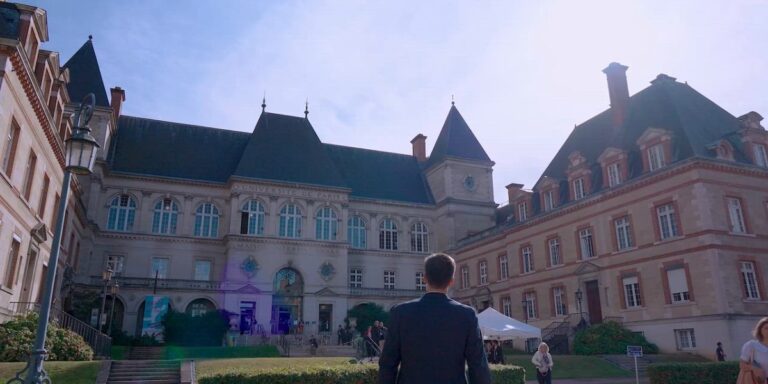
28 August – Summer School on the Economy of Tomorrow (Paris)
At the Cité internationale universitaire de Paris, the Summer School on the Economy of Tomorrow (UED), organised by Mouvement Impact France, brought together several thousand participants around one question: what kind of economy should we build together? Family businesses in transition, reindustrialisation, responsible fashion in the face of ultra-fast fashion: the debates frequently touched on issues championed by RHSF. Running through them all was a conviction the organisation shares: economic competitiveness and social rights are two sides of the same transition.

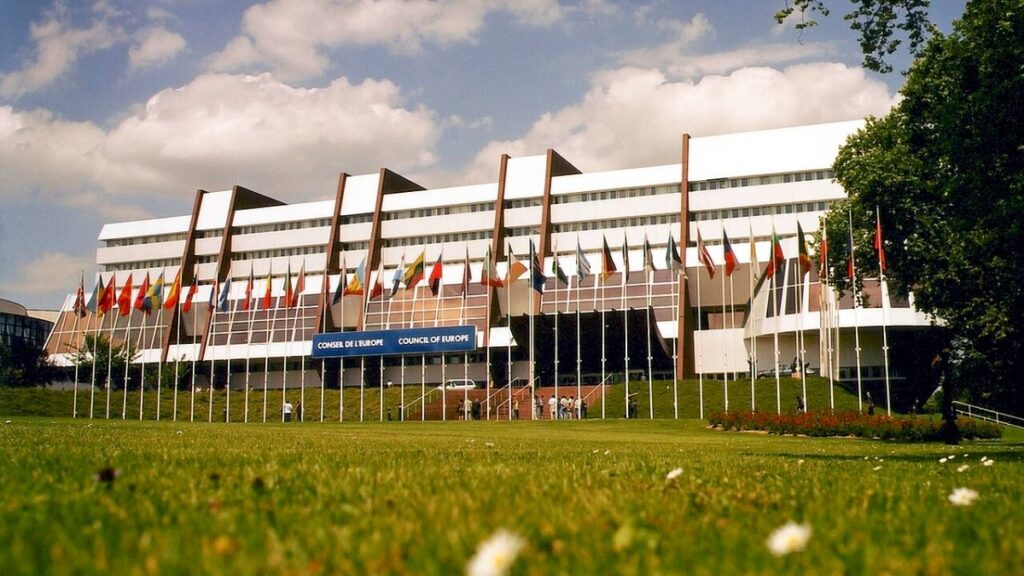
17 and 18 September – Business and Human Rights Forum (Strasbourg)
At the Council of Europe, RHSF took part in the first Western Europe Business and Human Rights Forum, a regional forum organised with the support of the United Nations Working Group on Business and Human Rights. Public authorities, businesses, investors and civil society exchanged views on managing human rights across value chains, against a backdrop of international instability and in the run-up to the application of the EU regulation banning products made with forced labour.
30 September and 1 October – Produrable (Paris)
At the Palais des Congrès, the trade fair for sustainable economy and CSR stakeholders gave RHSF the opportunity to engage with numerous CSR departments. One question recurred throughout the discussions: how can environmental requirements and social rights be pursued together? For RHSF, striking that balance is essential. An ecological transition built on supply chains where forced labour or child labour persists would be neither fair nor sustainable. Solar panels, batteries, recycled textiles: the sectors driving the transition are among those where vigilance over working conditions must be at its highest.

15 October – National Forum of Associations & Foundations (Paris)
At CENTQUATRE-PARIS, RHSF joined the non-profit organisations and foundations gathered to explore new forms of philanthropy and partnership, and how to build lasting relationships of trust between non-profits and funders.